
STEM &
Innovation
Science and technology powered by tradition
Our work proves that homesteading is not nostalgic—it's visionary, scientific, and forward-looking.
We integrate modern science, technology, and data-driven methods into traditional homesteading systems. Hydroponics, soil chemistry, AI-assisted planning, environmental monitoring—these tools strengthen ancestral practices and make them relevant to solving today's challenges: food insecurity, climate change, and community resilience.
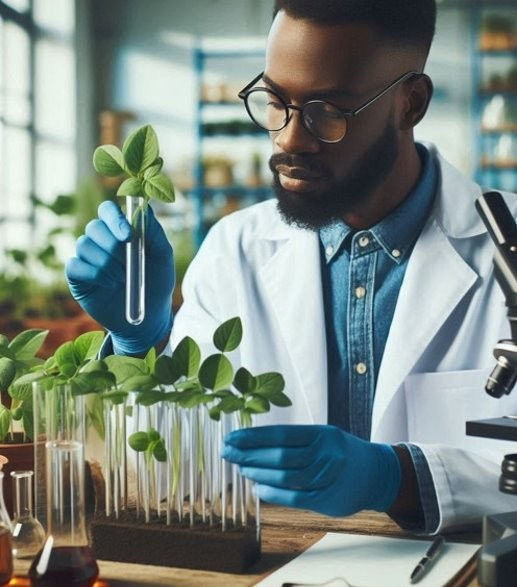
The Black Homestead Society uses the Homestead Lifecycle to teach food independence, cultural restoration, youth education, and STEM-powered self-sufficiency.
Why STEM Matters in Homesteading
STEM is not separate from homesteading—it's embedded in it. When we apply science and technology thoughtfully, we solve real problems and create better outcomes.
Data-Driven Decisions
Track soil nutrients, water usage, plant growth, and yield. Make informed decisions based on real data, not guesswork. Optimize systems for maximum efficiency.
Year-Round Growing
Indoor growing systems, hydroponics, and aquaponics extend growing seasons and increase food production. Grow fresh food even in harsh climates or limited space.
Advanced Growing Methods
Soil science, composting chemistry, and environmental controls create healthier plants and higher yields. Sustainable methods that build soil instead of depleting it.
Climate Smart Agriculture
Understand and respond to climate impacts. Plant heat-tolerant varieties, manage water efficiently, and build systems that adapt to changing conditions.
AI & Automation
Use artificial intelligence for crop planning, pest detection, and resource optimization. Let technology handle routine tasks so humans focus on strategy.
Systems Thinking
See homesteading as an integrated system where each part affects the whole. Understand soil, water, plants, animals, and people as an ecosystem.
STEM in Action
When we teach STEM through homesteading, students learn science through real systems they can touch, observe, and control. Theory becomes practice.
Topics Students Explore
-
Soil science and nutrient cycles
-
Plant biology and genetics
-
Water systems and conservation
-
Composting chemistry
-
Hydroponics and aquaponics engineering
-
Environmental monitoring
-
Data collection and analysis
-
Climate science and adaptation
-
Microbiology and beneficial organisms
-
AI and predictive modeling
Real-World Problem Solving
STEM isn't about memorizing facts. It's about solving problems that matter.
-
Food insecurity: How can we grow enough food for our community using limited space and water?
-
Climate resilience: How do we adapt our growing systems to changing weather patterns?
-
Resource efficiency: How can we produce more food using fewer inputs?
-
Community health: How does growing and eating fresh food affect our neighborhood's wellbeing?
-
Innovation: What new technologies or methods can we test and improve?
STEM Learning Pathways
Who Benefits
STEM + Homesteading learning reaches students, educators, and community members who might otherwise feel disconnected from science and technology.
Students
See science as relevant, accessible, and connected to real life. Develop confidence in STEM and explore careers in agriculture, environmental science, and technology.
Educators
Get resources and training to teach STEM through hands-on, project-based learning. Connect abstract concepts to systems students can see and touch.
Community Growers
Use technology and data to grow more food, reduce waste, and solve local food insecurity. Build self-sufficiency and community resilience.
Researchers & Innovators
Collaborate with us to develop and test new growing methods, technologies, and approaches. Your innovations help us all do better.